
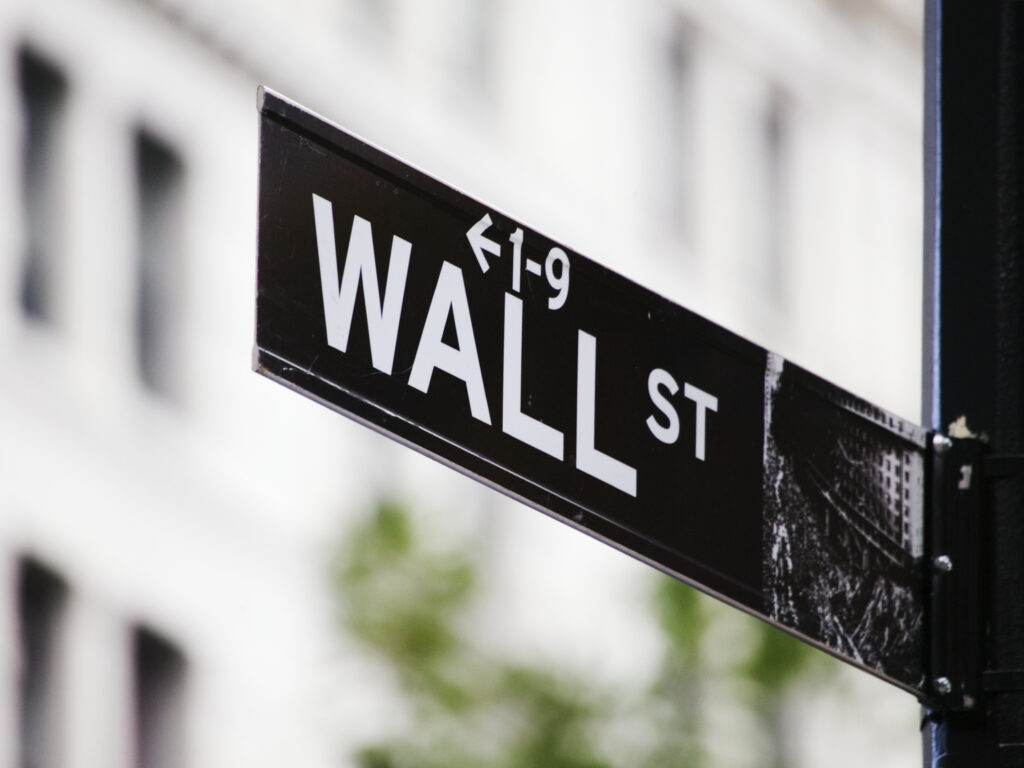
Wall Street says the stock market is healthy. The numbers suggest something more fragile.
The S&P 500 continues pushing toward record highs, but beneath the surface, fewer companies are carrying more of the market’s weight. A small group of mega-cap technology firms now drives an outsized share of profits, investor flows and overall index performance. The American stock market increasingly resembles a portfolio built around one trade: artificial intelligence.
That shift changes the meaning of diversification.
For years, index investing became the safest answer for ordinary investors and institutions alike. Owning the S&P 500 meant broad exposure across industries, business cycles and economic risks. Today, buying the index often means heavy exposure to a handful of firms tied to AI infrastructure, cloud computing and digital advertising.
The logic behind the enthusiasm is understandable. Companies like Nvidia and Microsoft are not speculative startups surviving on borrowed money. They generate enormous cash flow, dominate strategic industries and possess financial resources that many countries would envy. Investors see them as the safest way to gain exposure to the next technological revolution.
But markets become vulnerable when too much confidence gathers in the same place.
The risk is not necessarily that artificial intelligence fails. The internet changed the world exactly as investors expected it would. Smartphones transformed communication. Cloud computing reshaped business operations. Revolutionary technologies can still produce disappointing investment outcomes when expectations outrun reality.
That is the challenge facing markets today. Valuations increasingly assume that AI spending, productivity gains and corporate profits will continue accelerating with minimal interruption. Any slowdown in earnings growth, tighter regulation or reduction in capital spending could quickly expose how dependent the broader market has become on a narrow leadership group.
Investors often worry most about recessions, inflation or interest rates. The bigger risk may be simpler: too much of the market now depends on too few companies continuing to deliver perfection.