
America’s Stock Market Has a Dependence Problem

Wall Street says the stock market is healthy. The numbers suggest something more fragile. The S&P 500 continues pushing toward record highs, but beneath the surface, fewer companies are carrying more of the market’s weight. A small group of mega-cap technology firms now drives an outsized share of profits, investor flows and overall index performance. […]
Stocks Keep Rising as Oil Surges. Something Has to Give.

Wall Street is making two bets that rarely work together. The first is that higher oil prices are manageable. The second is that corporate earnings can keep lifting stocks. History suggests investors usually get one of those calls wrong. Crude has climbed sharply as geopolitical tensions threaten supply routes and tighten global supply. More importantly, […]
Africa’s Debt Wall Is a Liquidity Test, Not a Default Event

Africa’s $11B+ Eurobond maturities in 2026–27 is often framed as a looming default wave. That framing misses the point. This is less a solvency crisis than a test of liquidity of who can refinance, at what price, and under what conditions. The key risk is concentration in timing, not just size. Sovereigns are entering a […]
The Growth Paradox: Private Credit’s First Real Test

Private credit has become one of modern finance’s fastest-growing success stories. But rapid growth and proven resilience are not the same thing. The industry’s rise follows a familiar pattern of financial innovation. High-yield debt broadened the credit universe in the 1970s. Leveraged buyouts accelerated borrowing in the 1980s. Broadly syndicated loans and securitization expanded funding […]
Priced Wrong: Why Africa’s Best Companies Are Paying for a Risk They Have Already Solved
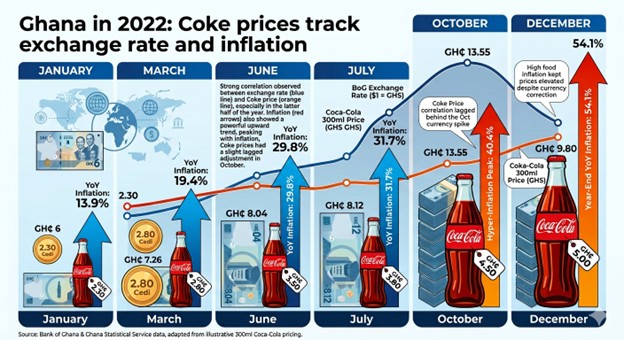
Africa’s most resilient businesses have quietly engineered a solution to one of the continent’s most persistent economic challenges. Operating in weak and volatile currency environments, many have rebuilt their value chains around the problem. When exchange rates move, they reprice in near real-time, passing currency risk through to end markets rather than absorbing it. That […]
Redemption Gates Aren’t a Flaw, They’re a Safeguard

In recent months, several private-credit funds have limited investor withdrawals after redemption requests exceeded preset thresholds. Critics have seized on these “gates” as evidence that the asset class lacks liquidity. In reality, the mechanism exists for a different reason: protecting investors from the very instability gates are meant to prevent. Unlike publicly traded bonds or […]
Oil, War and Private Credit’s Resilience

The latest escalation in the Middle East is forcing investors to rethink one of the biggest assumptions of 2026: that global interest rates were finally headed lower. Oil markets have reacted quickly. Supply disruptions linked to the conflict with Iran and tensions around the Strait of Hormuz, a route that carries roughly 20% of the […]
Private Credit Weathers the AI Storm

Artificial intelligence is reshaping enterprise software at a pace that has unsettled borrowers, lenders, and equity investors alike. Yet inside the private credit market, the story is one of resilience, and the alarm signals flashing in public markets may be telling a misleading story. A technical paper published by Adnate Capital finds that AI-driven stress […]
Technical Paper: Credit Resilience Under Artificial Intelligence-Driven Sectoral Disruption: Evidence from Software Exposure and BDC Equity Pricing Dynamics

Abstract This paper examines the resilience of private credit portfolios to disruption in the enterprise software sector attributable to the rapid commercialization of large language models and generative artificial intelligence. Drawing on publicly available filings, earnings disclosures, and regulatory reports from major business development companies (BDCs) and direct lending platforms for the period 2022 to […]
Private Markets Are Big Enough to Be Misunderstood

The real story unfolding in private credit has less to do with any single platform and more to do with how the asset class itself is growing. For most of its modern history, private credit was built around institutional capital, that is pensions, insurers, and endowments comfortable with long lockups and predictable cash flows. Loans […]